Get Dirt Spreading
Dirt spreading services help property owners level, fill, or reshape land for projects like landscaping, construction, or drainage improvement by connecting them with local contractors.
Dirt spreading services are often an essential part of property improvement and landscaping projects. Whether preparing a site for new construction, leveling uneven ground, or creating a more functional outdoor space, property owners in the area may find these services helpful for achieving their project goals. Exploring local contractors who specialize in dirt spreading can provide practical solutions to ensure the job is done efficiently and effectively.
By comparing options from nearby service providers, property owners can find professionals experienced in managing soil and gravel distribution tailored to various project needs. Continuing to explore these local options can help in planning your next project, ensuring the work aligns with your property’s requirements and your overall vision.
- Dirt Spreading - needed when preparing a construction site or landscaping area to ensure proper ground coverage.
- Soil Displacement - required for leveling uneven terrain or creating a stable base for foundations.
- Landscaping Preparation - necessary before planting or installing features that require a smooth, even surface.
- Erosion Control - important when stabilizing slopes or preventing soil loss on disturbed land.
- Site Restoration - used to redistribute soil after excavation or construction activities to restore land contours.
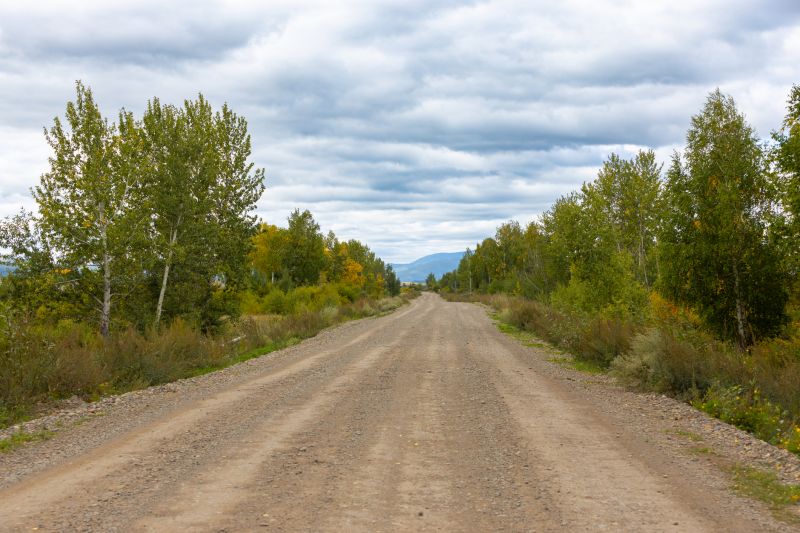
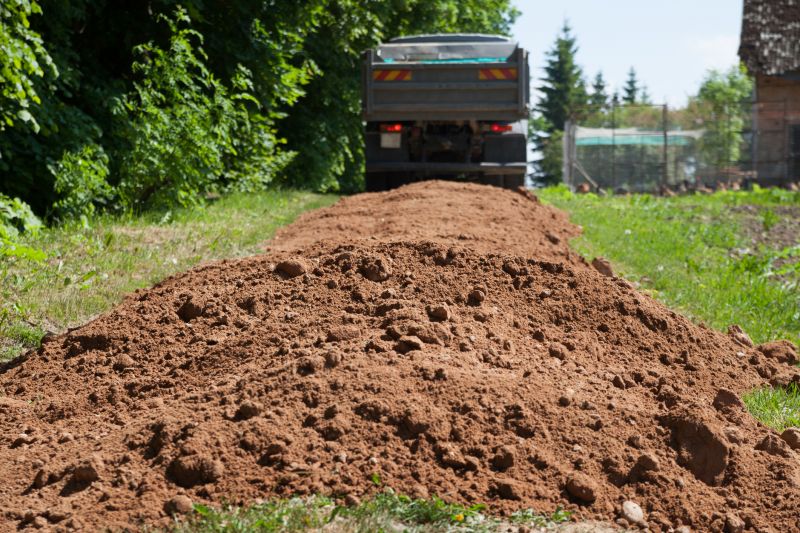
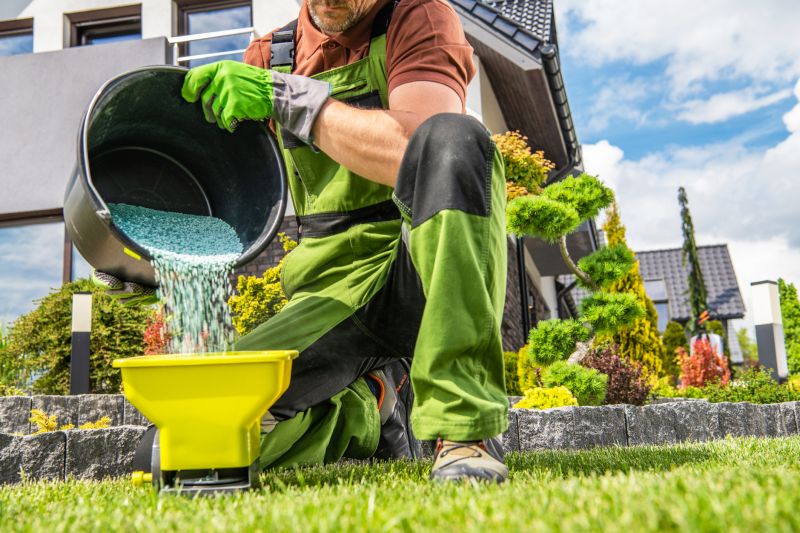
Dirt spreading services involve the strategic distribution of soil, gravel, or other foundational materials across a property. This process is often used to level uneven ground, create stable surfaces for driveways or lawns, and prepare land for landscaping projects. Skilled contractors use specialized equipment to ensure the material is spread evenly and compacted properly, resulting in a smooth, stable surface that enhances both the appearance and functionality of outdoor spaces.
These services help address common property issues such as erosion, poor drainage, and uneven terrain. When a yard has dips, mounds, or bare patches, dirt spreading can provide a practical solution to improve the land’s structure. It also supports projects like building new lawns, creating drainage channels, or preparing a site for paving or planting. By leveling out the ground, dirt spreading helps prevent water pooling and reduces the risk of damage caused by shifting soil or surface runoff.
Dirt spreading services are frequently utilized on residential properties, including yards, gardens, and driveways. Homeowners planning to install new landscaping, build retaining walls, or improve drainage often turn to local contractors for this work. Commercial properties, such as parking lots, sports fields, or community parks, may also benefit from dirt spreading to ensure even surfaces and proper ground stability. These services are suitable for any property where ground leveling or surface preparation is needed to support further construction or landscaping efforts.
Homeowners who notice uneven terrain, drainage problems, or bare patches in their yard might find dirt spreading services helpful. It’s also a common step before laying new turf, installing pathways, or setting up outdoor features. By working with local service providers, property owners can find experienced contractors who understand how to evaluate their land and deliver the necessary soil distribution efficiently. This service offers a practical solution for improving the safety, usability, and appearance of various outdoor spaces.
The overview below groups typical Dirt Spreading projects into broad ranges so you can see how smaller, mid-sized, and larger jobs often compare in your area.
In many markets, a large share of routine jobs stays in the lower and middle ranges, while only a smaller percentage of projects moves into the highest bands when the work is more complex or site conditions are harder than average.
Smaller Repairs - Most routine dirt spreading projects cost between $250 and $600. These typically involve minor adjustments or surface-level work handled by local contractors. Larger or more complex jobs may fall outside this range and cost more.
Standard Projects - For mid-sized dirt spreading services, costs generally range from $600 to $1,500. Many projects of this scale are common and fall within this middle band, depending on site conditions and scope.
Large-Scale Jobs - Extensive dirt spreading or site preparation can range from $1,500 to $3,500. These larger projects are less frequent and usually involve significant volume or challenging terrain.
Full Replacement or Complex Projects - Larger, more involved dirt spreading jobs can reach $5,000 or more. Such projects are less common and typically require detailed planning and specialized equipment handled by experienced local service providers.
Actual totals will depend on details like access to the work area, the scope of the project, and the materials selected, so use these as general starting points rather than exact figures.
Land Grading Projects - professionals who level and prepare soil surfaces for construction, landscaping, or drainage improvements often utilize similar dirt spreading techniques.
Roadway Construction - contractors involved in building or repairing roads require soil distribution and compaction skills comparable to dirt spreading services.
Landscape Renovation - landscape specialists who reshape and recontour land rely on soil spreading tools and planning similar to those used in dirt spreading jobs.
Erosion Control Projects - experts installing erosion barriers and stabilizing slopes often perform soil redistribution work akin to dirt spreading services.
Agricultural Land Preparation - farmers and agronomists preparing fields for planting utilize soil spreading techniques to achieve even and suitable land surfaces.
Foundation Backfill Services - contractors who backfill and level around building foundations use soil spreading methods to ensure proper support and stability.
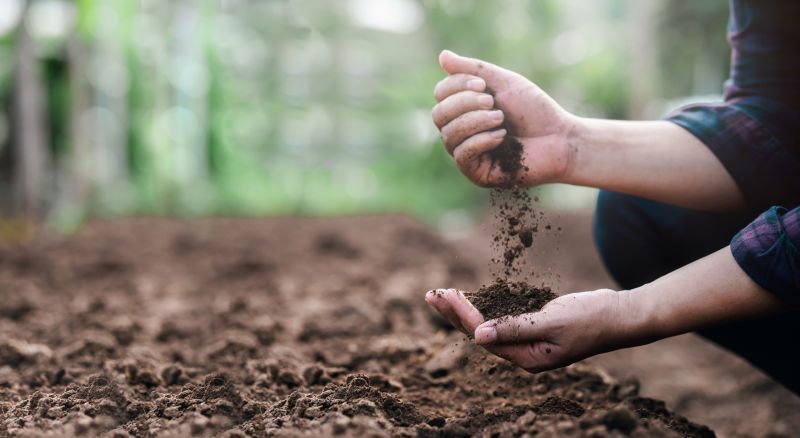
When comparing service providers for dirt spreading projects, it’s important to consider their experience with similar types of work. Homeowners should inquire about how long a contractor has been handling projects comparable to theirs, as well as the types of terrain and soil conditions they have worked with in the past. An experienced local contractor will likely have a better understanding of the specific challenges that can arise during dirt spreading, helping to ensure the job is completed efficiently and effectively.
Clear, written expectations are essential when evaluating potential service providers. Homeowners should seek detailed descriptions of the scope of work, including the specific tasks involved, the materials used, and any preparations or site considerations. Having these expectations documented helps prevent misunderstandings and provides a reference point throughout the project, promoting transparency and a smoother working relationship.
Reputable references and good communication are key indicators of a reliable local contractor. Homeowners can ask for references from previous clients who had similar projects completed, offering insight into the quality of work and professionalism. Additionally, service providers who communicate clearly and promptly can help keep homeowners informed and comfortable throughout the process. While the site introduces homeowners to local options, it is the responsibility of the homeowner to verify these qualities when selecting a dirt spreading contractor to ensure a successful project outcome.
Property owners use Dirt Spreading services for practical projects around their homes and businesses. This guide focuses on everyday jobs and straightforward project options.
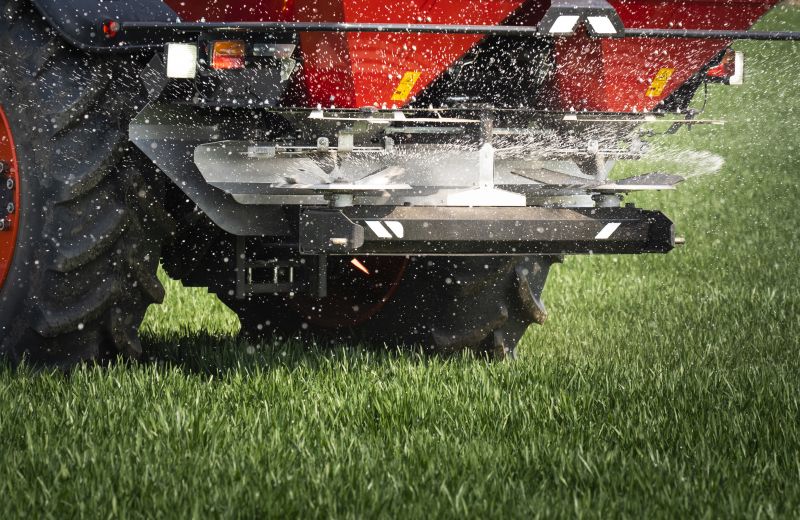
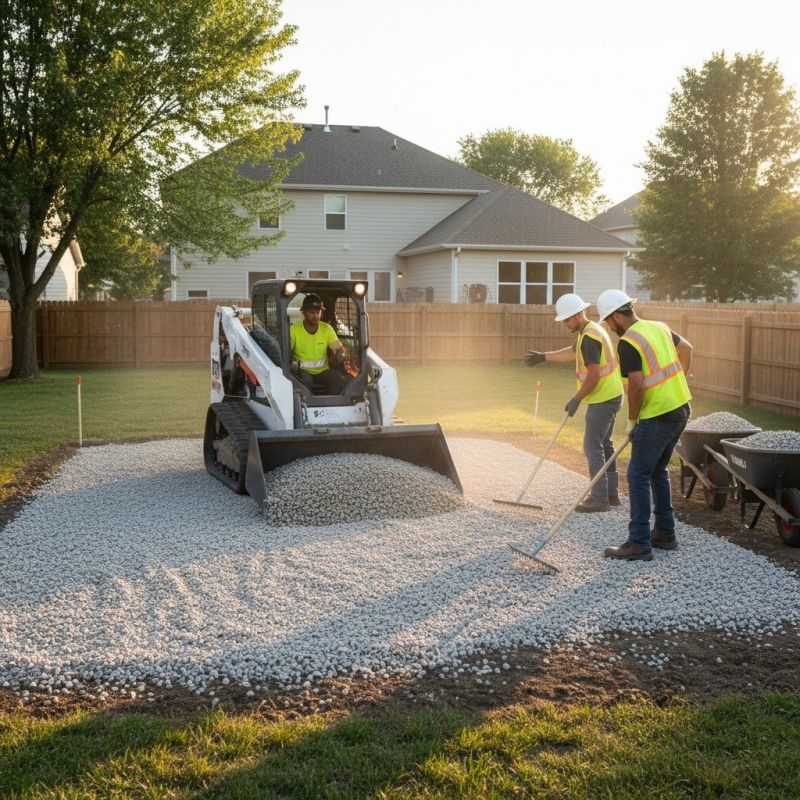
Dirt spreading is a common task for property owners undertaking landscaping, gardening, or construction projects. Whether preparing a site for new features, leveling uneven ground, or filling in low spots, local contractors can provide the necessary services to ensure the terrain is properly managed. Homeowners and property managers often seek out these services to improve drainage, create a stable foundation, or simply enhance the overall appearance of their outdoor spaces.
In many cases, dirt spreading is part of larger projects like lawn renovations, driveway extensions, or landscape redesigns. Property owners may look for local service providers to handle the work efficiently and professionally, ensuring that the soil is distributed evenly and securely. Connecting with experienced contractors can help achieve desired results while saving time and effort on DIY efforts.
What is dirt spreading service? Dirt spreading involves distributing soil or other materials across a designated area to level or prepare land for construction, landscaping, or gardening projects.
Why might I need dirt spreading services? Dirt spreading can help improve land contour, fill low spots, or prepare surfaces for planting or building, ensuring a stable and even foundation.
What types of materials can local contractors spread? They can spread various materials such as topsoil, gravel, mulch, or other aggregates based on the project requirements.
How do local service providers perform dirt spreading? Contractors typically use equipment like graders, spreaders, or excavators to evenly distribute materials across the area.
What should I consider before hiring a dirt spreading service? It’s important to assess the scope of the project, the type of material needed, and the condition of the land to ensure the right contractor is selected.
Garden Reshaping - Use dirt spreading services to level uneven ground or create new garden beds for a fresh landscape design.
Lawn Repair - Improve patchy or damaged areas of a lawn by adding soil and leveling the surface for healthier grass growth.
Construction Site Cleanup - Distribute excess soil after construction or landscaping projects to prepare the site for finishing touches.
Pathway and Driveway Preparation - Prepare the base for walkways or driveways by spreading and leveling dirt to ensure a stable foundation.
If you are thinking about Dirt Spreading for a property, this guide is meant to help you understand the work, the typical project types, and how different options might fit your plans.
When you are ready, you can use the quote form on this page to share a few details about your project. From there, local pros can review the basics and respond with options that match what you have in mind.